Dutch design is a broad field rather than a single look. An experimental chair, a graphic poster and a practical public space may solve very different problems. A useful way to explore them is to ask how a design organises materials, movement and attention.
Look for relationships
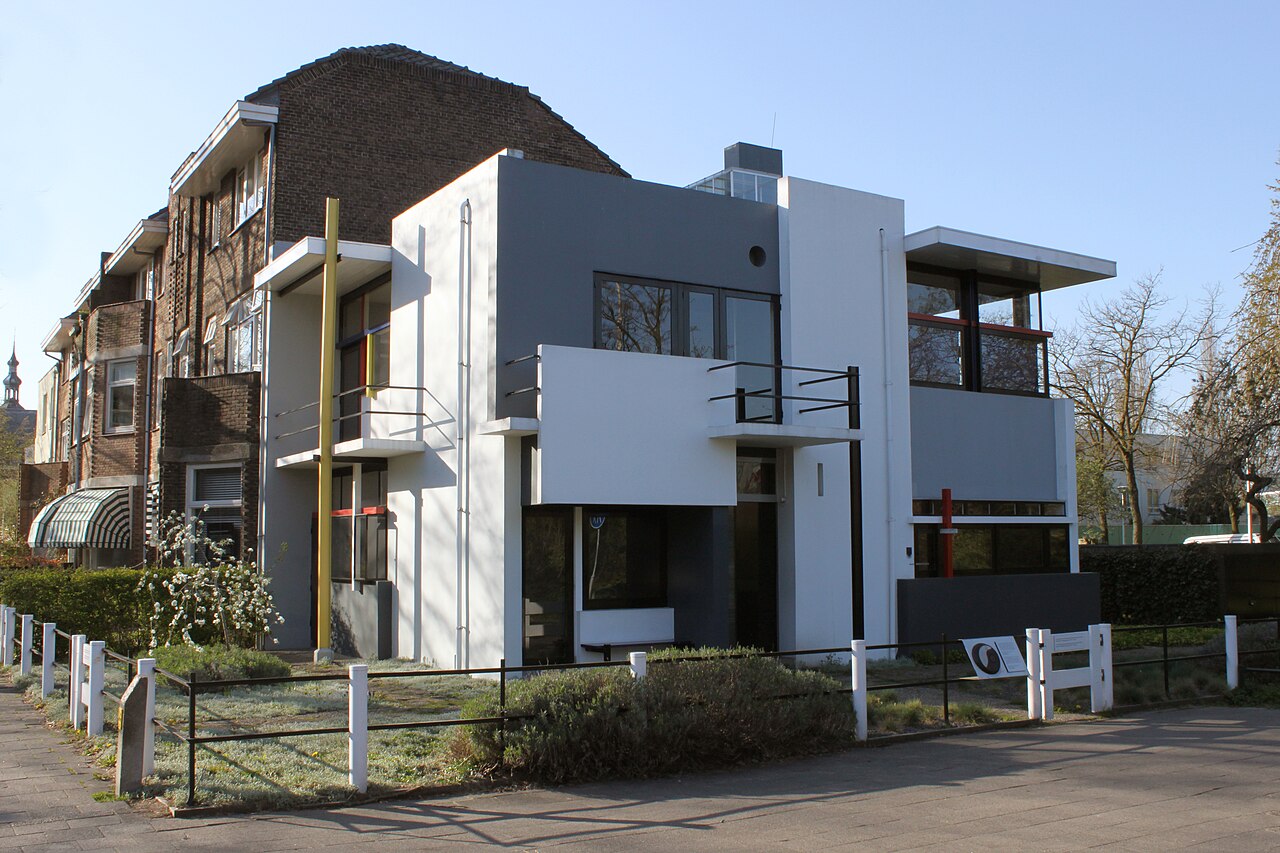
With a geometric composition, consider how lines divide space and how colours establish balance. Instead of identifying every shape separately, look at their relationships: a small coloured area may change the feel of a much larger white surface. Repetition and asymmetry can be equally deliberate.
Architecture as an arrangement of life
The Rietveld Schröder House in Utrecht is an important point of reference for modern architecture. Its planes, openings and colour accents encourage a different way of looking from a traditional brick facade. Use the official museum’s interpretation to understand the house as a place conceived for living, not merely as an abstract composition.
Ask what the object does
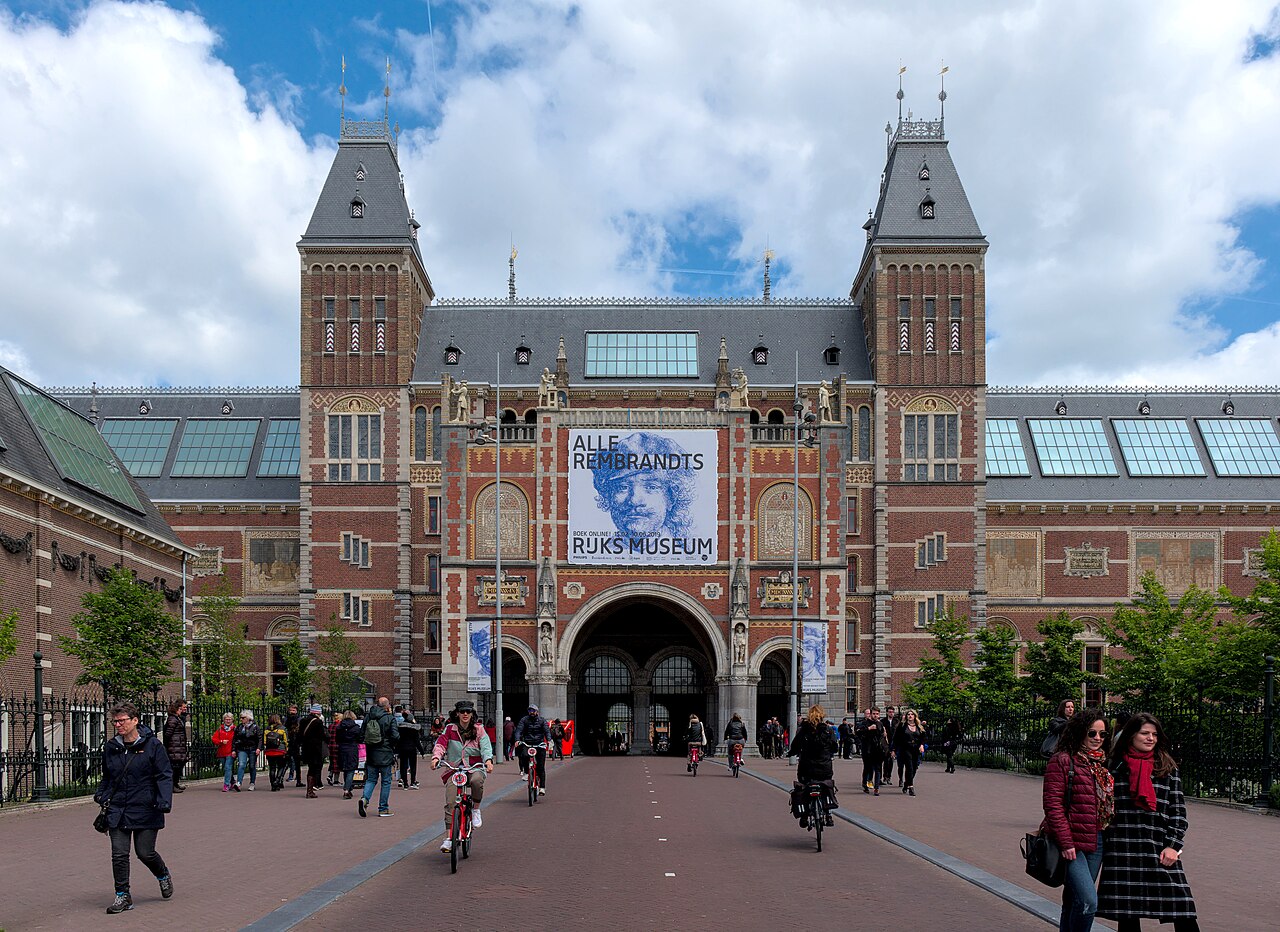
For a chair, think about support, posture, construction and the space around it. For a poster, ask what you notice first and what you can read from a distance. For a public building, consider entrances, light and the clarity of the route through it. Design becomes easier to discuss when you connect visual decisions to use.
Avoid a single national stereotype
Some design favours reduction; other work uses humour, decoration, reuse or unfamiliar materials. The label “Dutch design” does not mean every maker shares the same method. Seek out different periods and voices, and read the designer’s own explanation where it is available.
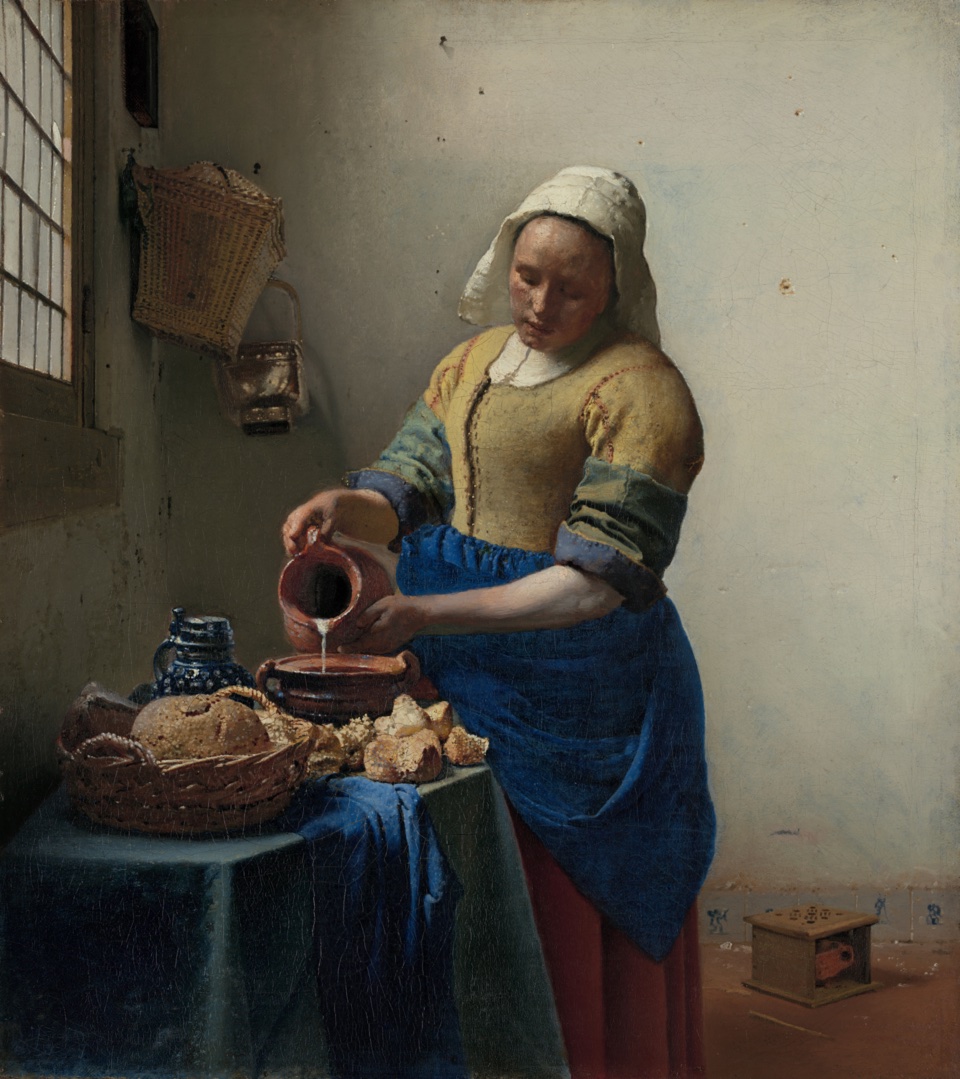
During a cultural visit, compare one museum object with something you use that day: a sign, a cup, a seat or a ticket machine. Consider which design decisions make the experience clear and which require effort. This connects gallery looking with everyday experience.
Continue with the original sources
Visitor arrangements can change. Check the venue directly before travelling.