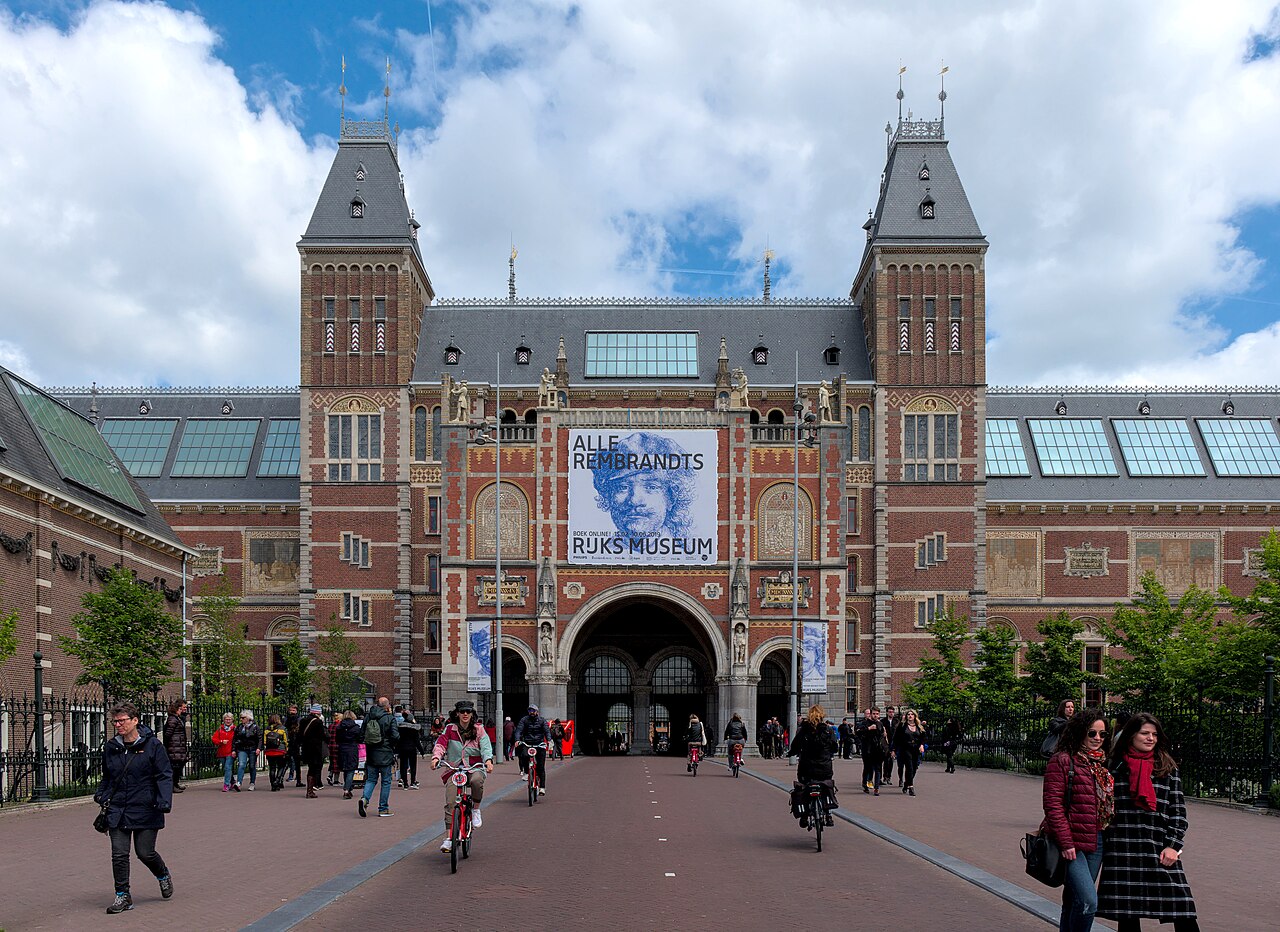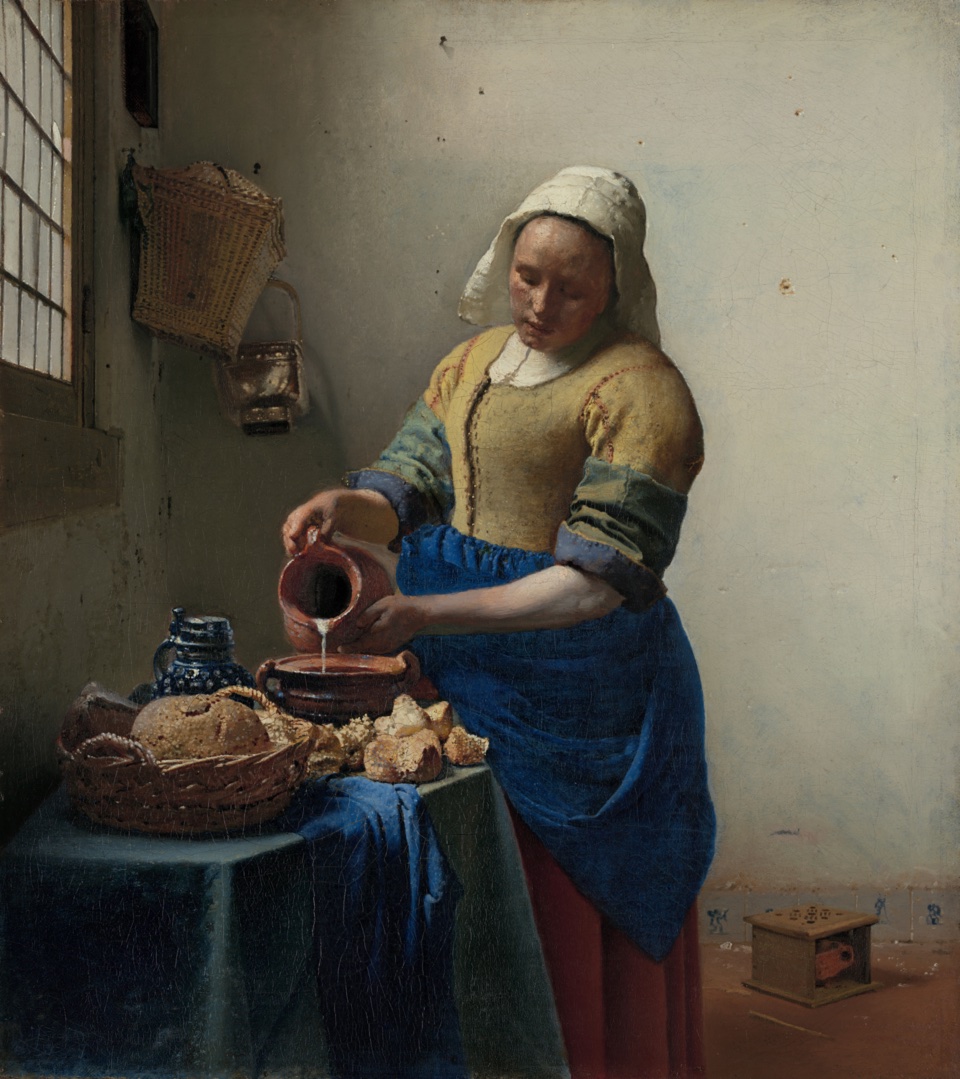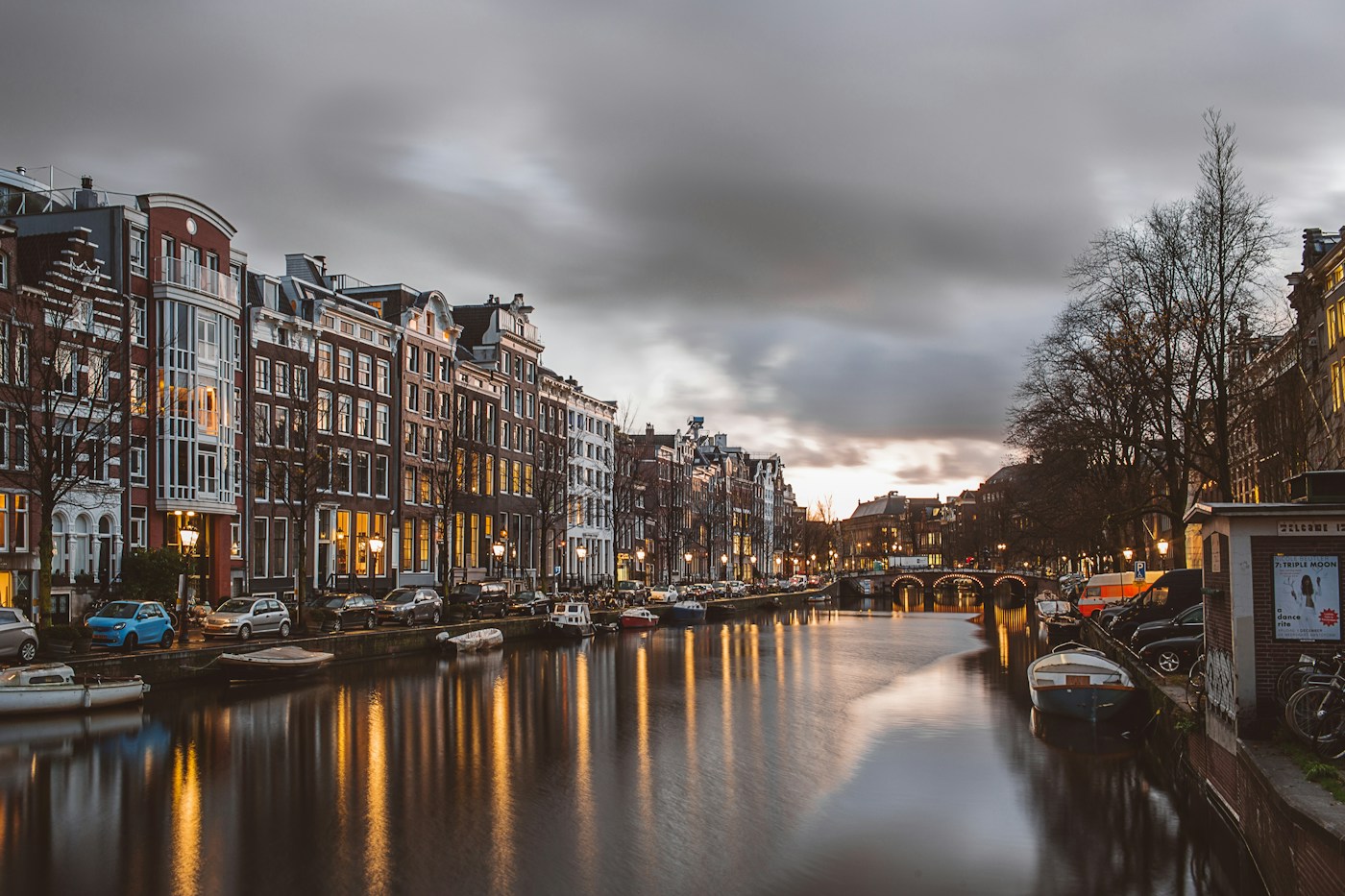
Culture is also the way people use a square, spend a lunch break or share a table. Alongside museums, leave room to observe ordinary places. A short walk or a quiet café stop can add context to objects and paintings you have just seen.
Make space for the local
A neighbourhood market can introduce local routines as well as food. Look at the mix of stalls, how people shop and the relationship between the market and nearby streets. Opening days and traders vary, so check the relevant municipal or market website before making a special trip.
Food without the stereotypes
Cheese, bread and sweet baked goods may be familiar starting points, but no short list represents everyone’s everyday meals. Dutch cities include many culinary traditions and personal histories. Read menus, ask about ingredients when needed, and treat a food stop as one experience rather than a complete picture of a country.
Public space is shared space
Observe how walking, cycling and public transport meet. Follow local signals, check before stepping into cycle lanes and avoid blocking routes while taking photographs. These small habits make it easier to enjoy a city while respecting the people who live there.
Plan a day with breathing room
Pair one main cultural visit with a nearby walk and an unhurried break. Leave a flexible period for weather, queues or a place you want to explore further. Check the official venue for access arrangements and services rather than assuming that every historical building has the same facilities.
Keep a small cultural notebook
Write down one object, one building detail and one everyday observation. Add the name of the source if a fact interests you. Your notes will be more personal and useful than an ambitious checklist, and they can suggest a subject to explore on a later visit.
Continue with the original sources
Visitor arrangements can change. Check the venue directly before travelling.